Night Driving Glare: When to Schedule an Eye Exam


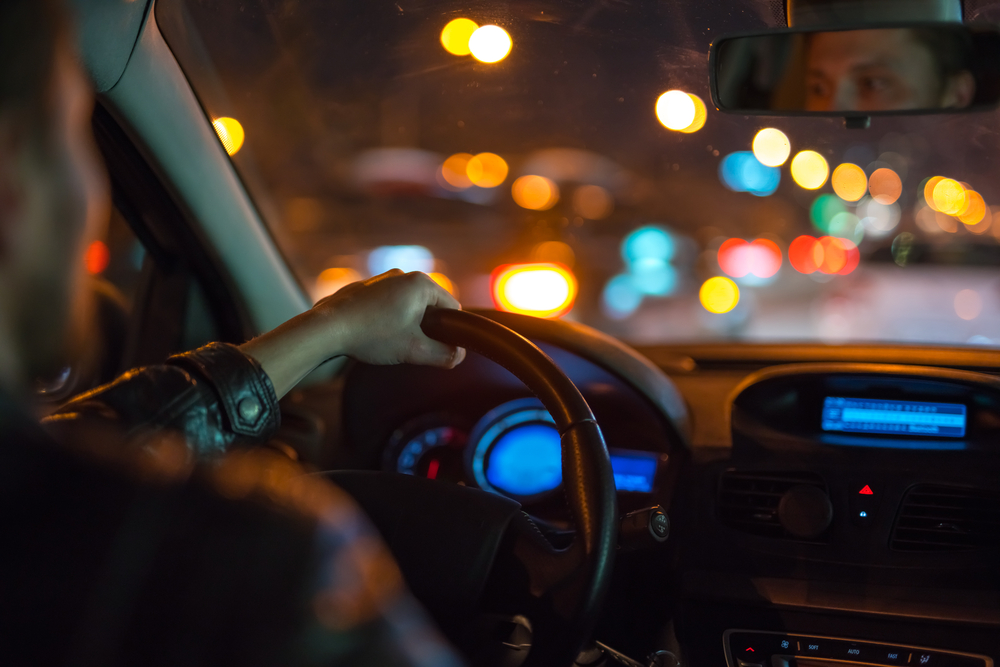
Oncoming headlights should not make every evening drive feel difficult. If lights look unusually bright, streaked, or surrounded by halos, it may be time to check your vision. At Lakhani Vision Care in Marietta, we help patients understand what is causing night driving glare and recommend care based on their prescription and eye health.
What Can Cause Night Driving Glare?
Several conditions can affect how clearly you see after dark. An outdated prescription or uncorrected astigmatism may cause lights to appear blurred or distorted. Dry eye can also affect vision quality by disrupting the smooth tear film across the front of the eye.
Cataracts are another possible cause. As the eye’s natural lens becomes cloudy, headlights may seem brighter and halos more noticeable. These changes can develop gradually, making it easy to adjust your driving habits without realizing your vision needs attention.
Signs It Is Time To Schedule an Eye Exam
We recommend scheduling an eye exam when glare is new, worsening, or affecting your comfort behind the wheel. You do not need to wait until your next routine appointment if your vision has changed.
Common reasons to schedule a visit include:
Halos, starbursts, or streaks around headlights and streetlights
Difficulty reading road signs or noticing pedestrians after dark
Blurry vision despite wearing your glasses or contact lenses
Frequent squinting or eye strain during evening drives
Avoiding familiar routes because you no longer feel confident driving at night
Even if your daytime vision seems clear, persistent difficulty after dark deserves an evaluation.
What We Check During Your Visit
During an eye exam at our Marietta practice, we review your symptoms, check your prescription, and evaluate your eye health. We look for issues such as dry eye and cataracts that may contribute to glare.
Tell us when the problem started, whether it affects one or both eyes, and whether it happens with glasses, contact lenses, or both. Bring your current eyewear and a list of medications. These details help us understand your experience and determine appropriate next steps.
Depending on our findings, we may recommend a prescription update, dry eye care, or further evaluation for cataracts.
When Symptoms Need Immediate Attention
Sudden blurred vision or halos accompanied by severe eye pain, redness, headache, or nausea require immediate medical attention. These symptoms can indicate an eye emergency, including acute angle-closure glaucoma. Seek urgent eye care or go to an emergency department, and arrange transportation instead of driving yourself.
Steps To Take Before Your Appointment
Keep your glasses, headlights, and windshield clean, including the inside glass. Wear your prescribed vision correction and avoid yellow-tinted or dark lenses for night driving, since they reduce the light reaching your eyes.
If glare prevents you from seeing the road clearly, avoid driving after dark until you have been evaluated. If visibility becomes unsafe while driving, pull over safely and arrange another ride.
For help understanding night driving glare, schedule an eye exam with our team at Lakhani Vision Care in Marietta, GA, by calling (770) 509-9932.


Interested in our Services?
If you would like to schedule an appointment or learn more about our services, contact us today!
Contact Information
Office Hours of Operation
- Monday9:00 AM to 5:00 PM
- Tuesday9:00 AM to 5:00 PM
- Wednesday9:00 AM to 5:00 PM
- Thursday9:00 AM to 5:00 PM
- Friday9:00 AM to 5:00 PM
- Saturday9:00 AM to 5:00 PM
- Sunday12:00 PM to 4:00 PM
Powered by